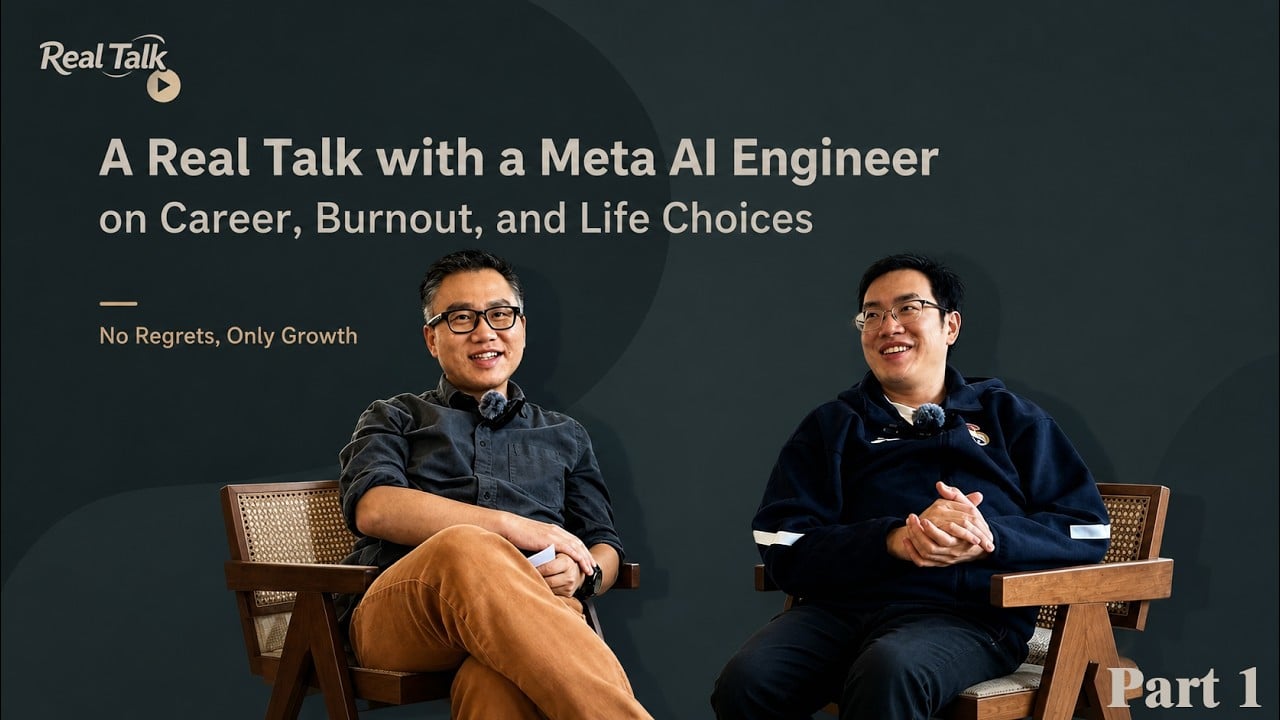
Chen Ran on Real Estate, Risk, AI Jobs, and Building a Life on Purpose
Agent Growth May 21, 2026
Agent Growth May 21, 2026
In the second part of Sean’s conversation with Chen Ran, the discussion moved from career growth to something more personal: how Chen makes major life decisions. From choosing a real estate agent to thinking about layoffs, investing, family planning, and money, Chen’s approach stayed remarkably consistent. He prefers clarity over noise, focus over distraction, and long-term thinking over emotional reaction.
What stood out most in this conversation was how practical his mindset is. Chen does not try to optimize every small decision. Instead, he reserves his attention for the choices that truly matter.
The conversation began with the sale of Chen’s previous home and the process of choosing a real estate agent. Rather than relying on instinct alone, Chen and his wife took a very analytical approach. They interviewed several agents, studied their track records, and compared how well they performed in the Bay Area housing market.
For Chen, the Bay Area real estate business is highly competitive and financially rewarding, which means buyers and sellers should be selective. Because many agents in the area are excellent, his strategy was to find the one who checked every box.
He explained that he and his wife looked at both hard data and soft skills. On the analytical side, they reviewed past transactions, home prices, and market experience. On the personal side, they paid attention to communication, responsiveness, work ethic, and how easily the agent could handle difficult situations.
One particularly interesting detail: they even visited open houses as potential buyers in order to quietly observe and interview agents in action. That gave them a more realistic view of who was truly capable.
The conversation then turned to investing and risk. Chen described himself as balanced rather than extreme. He is neither highly risk-averse nor overly risk-tolerant, but he admitted that he has not been a strong stock investor in the past.
In fact, he openly said he has lost a lot of money in stocks. Over time, he realized that following stock prices was taking attention away from what he actually cares about: technical work. Rather than continuing to obsess over individual stocks, he shifted toward ETFs and simpler, lower-maintenance investing.
That change reflects a broader philosophy he repeated throughout the interview: attention is one of the most valuable resources a person has. He believes people should spend it on the things that matter most, not on constant distractions.
Sean also asked Chen about the impact of AI on jobs, especially in software engineering. Chen’s answer was nuanced. He believes AI is creating many new roles, particularly in areas like AI research, AI infrastructure, model building, and AI tooling.
At the same time, he acknowledged that AI is eliminating some opportunities, especially entry-level jobs that once required only basic programming skills. In his view, the market for junior engineers has become more competitive because AI agents can now do work that juniors used to handle.
He sees this as both exciting and unfortunate. The opportunity space is expanding, but the floor has also shifted upward. For people entering tech now, stronger skills are required than they were ten years ago.
Chen also explained why AI companies continue hiring aggressively even while people worry about automation. From his perspective, the highest-value hires fall into two categories: top AI researchers and AI infrastructure engineers.
Researchers are needed to train the next generation of models. Infrastructure engineers are needed to make those models run efficiently and cost-effectively on expensive hardware. Since GPUs are extremely costly, even a small optimization can produce huge economic value.
That is why, Chen argued, AI companies are willing to spend heavily on talent. The entire industry depends on a small number of people who can push the frontier forward.
The conversation then shifted to layoffs and job security. Chen did not speculate on Meta’s internal decisions, but he shared his personal mindset: he is always prepared to lose his job at any time.
That may sound pessimistic, but for him it is actually a source of peace. He believes that if you let anxiety dominate you, it becomes impossible to work well or enjoy your life. So instead of living in fear, he tries to stay ready.
His preparation is practical. He keeps his interview skills sharp, checks how competitive he is in the broader market, and continues learning so he can remain valuable wherever he works. At the same time, he is not just working out of fear. He genuinely enjoys the AI field and wants to stay close to new breakthroughs.
One of the most personal parts of the interview was Chen’s description of his relationship with his wife. Because they both work in GenAI and similar infrastructure-related areas, they talk about work constantly.
Their relationship is not just about careers, though. They also talk about life, and they support each other through the intensity of the work they do. Chen made it clear that this year has been especially demanding because of the pace of AI progress. Keeping up has required so much effort that it has delayed other life plans, including having children.
Still, he and his wife see those plans as part of their future. They are thinking about timing carefully and expect to make room for family in the next few years.
Outside of work, Chen’s main passion is soccer. He has played for more than ten years, watches matches regularly, supports Real Madrid, and even travels to Spain almost every year. He also has a World Cup trip already planned, including the semifinals and final.
When the topic turned to money, Chen said that financial gain is becoming less and less of a primary driver for him. It still matters, but not as much as it once did. What matters more now is whether he enjoys his daily life, his work environment, and the people around him.
He lives relatively simply. He does not chase a luxury lifestyle, and cooking is another hobby he enjoys. In his view, a reasonable lifestyle reduces pressure and makes it easier to care less about money for its own sake.
Near the end of the conversation, Sean asked Chen what he would say to his 20-year-old self. Chen’s answer was surprisingly simple: he would tell him nothing.
He said that at 20, he was already doing everything he could to get where he is today. He has no regrets. His advice is not to become someone else, but to stay true to what you are passionate about and keep moving forward.
That closing idea captures the spirit of the whole interview. Chen Ran does not see success as a shortcut, a lucky break, or a single decision. He sees it as the result of sustained effort, disciplined focus, and a life built around what genuinely matters.
The second part of Sean’s conversation with Chen Ran offers a clear picture of how he makes decisions: carefully, rationally, and with a strong sense of priorities. Whether it is choosing an agent, managing money, preparing for layoffs, or planning for family life, Chen keeps returning to the same principle.
Spend your attention wisely. Protect your energy. Build a life you can actually live every day.
Stay up to date on the latest real estate trends.
Agent Growth
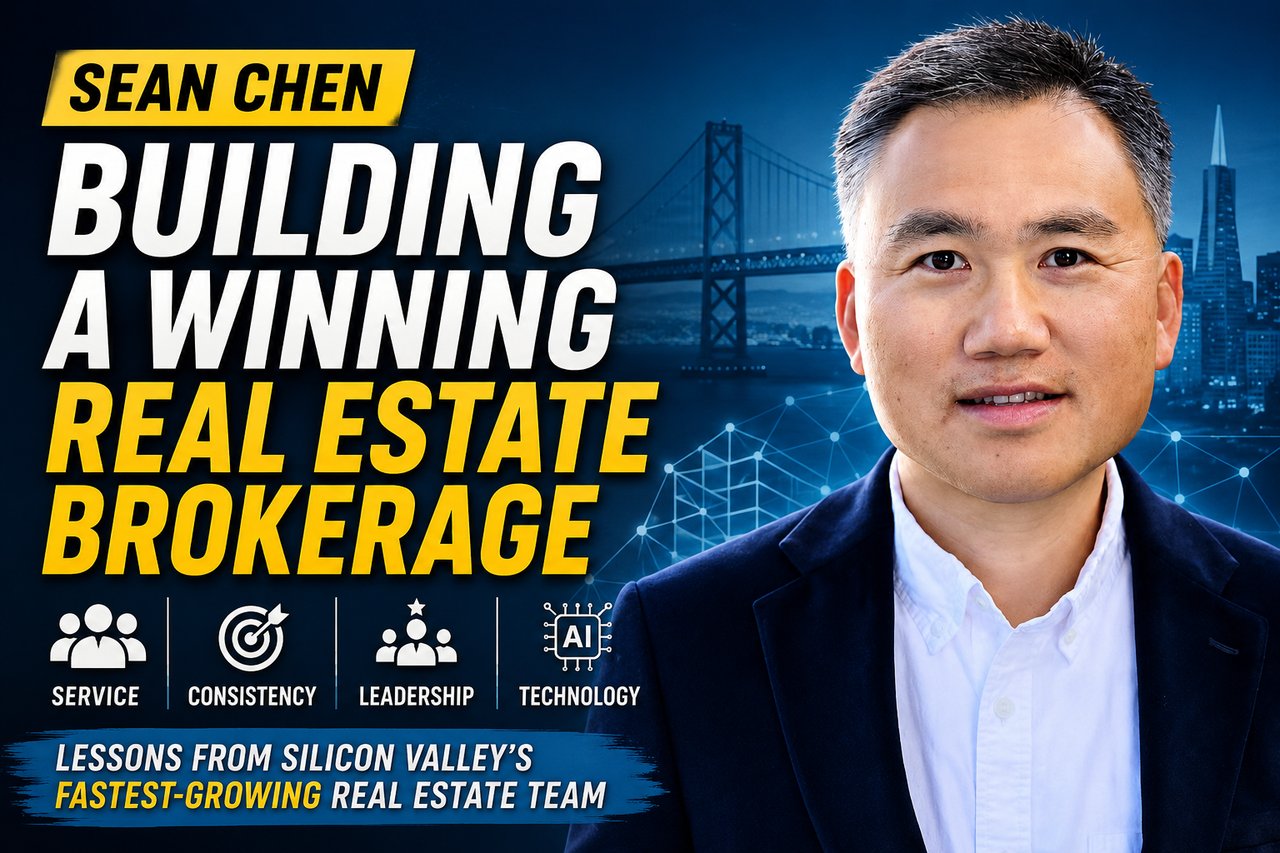
Sean Chen on Building a Successful Bay Area Real Estate Brokerage

Agent Growth
“When information becomes abundant, interpretation becomes premium.”

Agent Growth
Why Homeowners Ignore Most Agents (And How Top Producers Break Through)

Agent Growth
Redefining Sales Through the Art of Inquiry

BayAreaReal Estate
8 Traits of Top Real Estate Agents Worth Studying
Real Estate Leadership
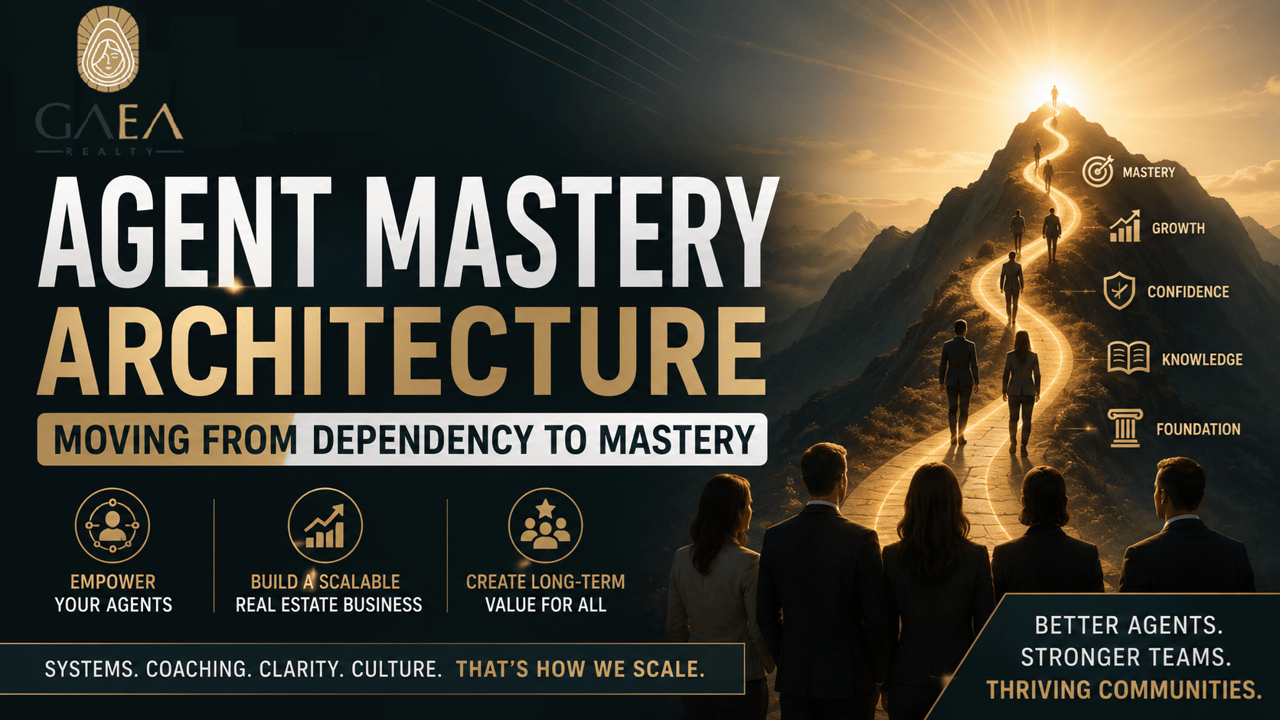
How top-producer dependency breaks teams, and how Gaea can build a teaching culture where everyone thrives
Agent Growth
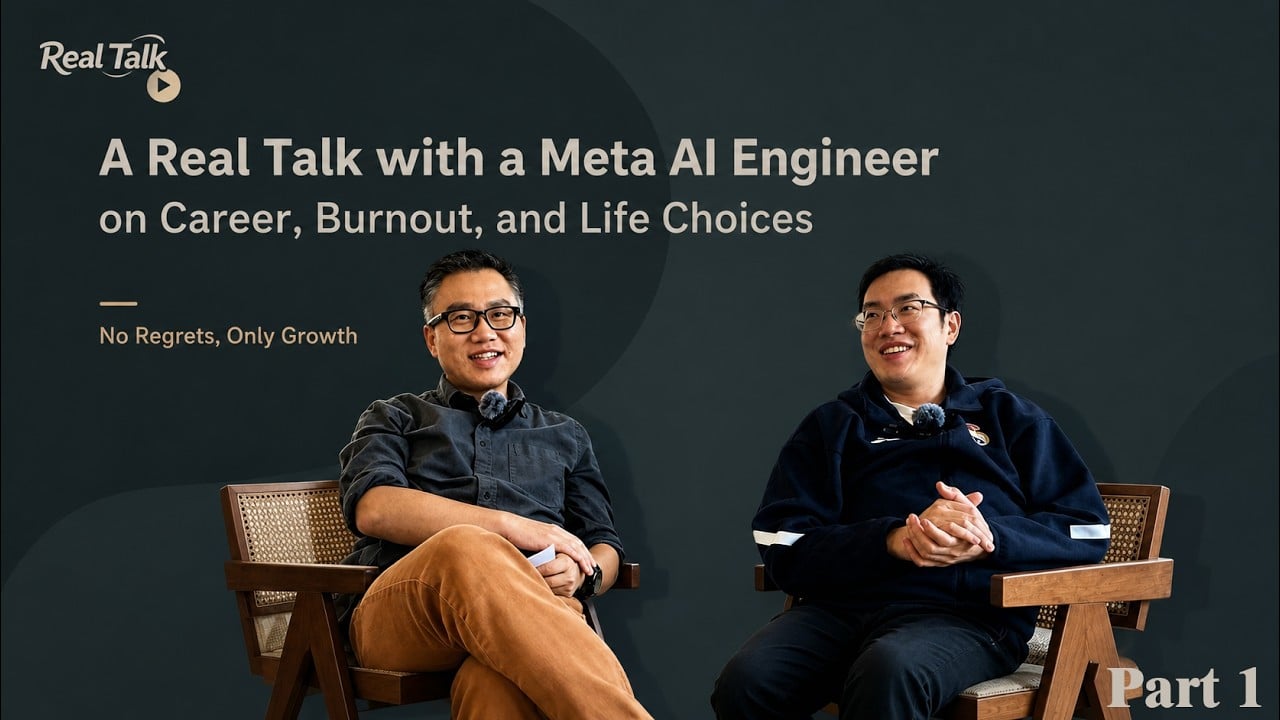
A thoughtful conversation on real estate decisions, AI careers, job security, investing, family, and what truly matters in life
Agent Growth
Chen Ran’s 3-Step Methodology

Agent Growth
If You’re a Real Estate Agent, Watch This Before You Quit