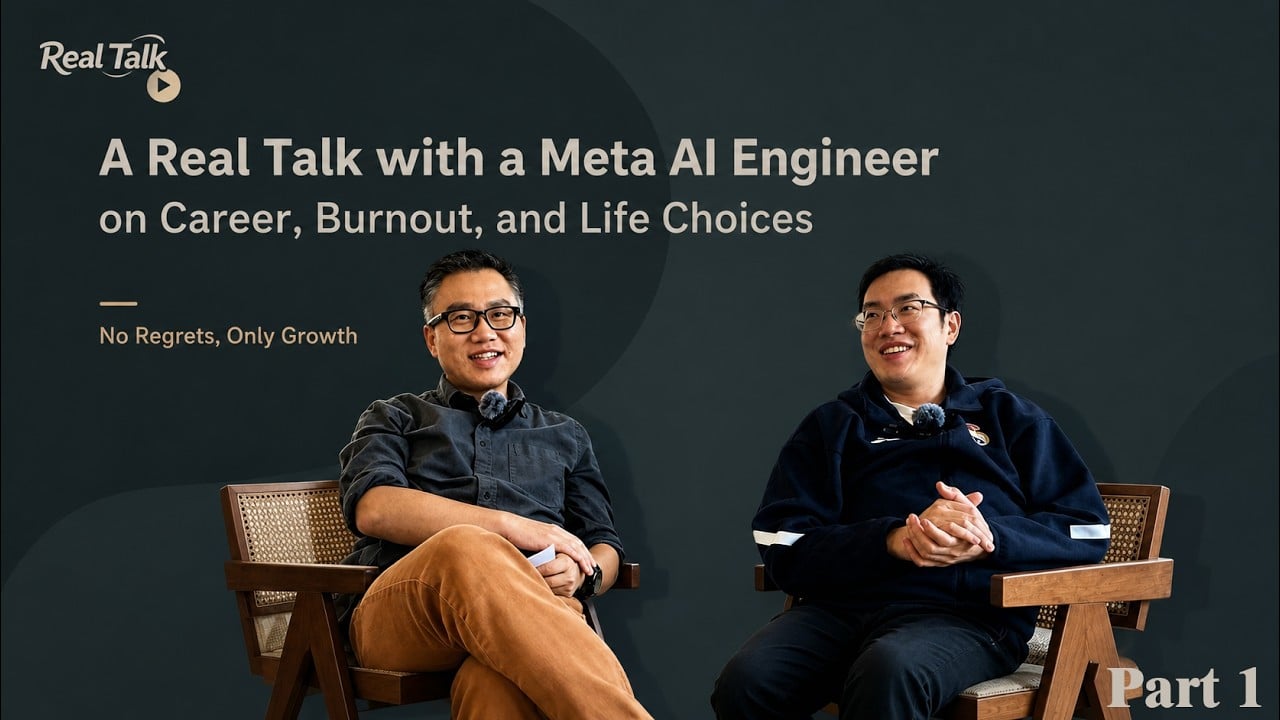
From a Small Town to Superintelligence
Agent Growth May 20, 2026
Agent Growth May 20, 2026
In a recent episode of Real Talk, Sean sat down with Chen Ran, a member of Meta’s superintelligence team, for a candid conversation about career growth, work ethic, burnout, AI tools, and major life decisions. What emerged was not a story about a perfectly planned Silicon Valley trajectory, but a more human one: full of randomness, recalibration, and a strong commitment to staying curious.
Chen’s path looks polished from the outside. He came from a small town in China, moved to the United States for school, started his career as an intern at Google, later joined Databricks, and eventually landed at Meta’s superintelligence team. But Chen was quick to challenge the idea that his career was neatly mapped out. In reality, he said, many of his transitions were shaped by circumstance, momentum, and timing rather than a rigid master plan.
One of the central ideas in the conversation was Chen’s belief that engineers should not chase prestige or future upside alone. A company may look exciting from the outside because of its reputation, compensation, or IPO potential, but none of that matters if the day-to-day experience is exhausting.
For Chen, this became especially clear at Databricks. He described experiencing severe burnout there, driven by workplace pressure and anxiety. That experience made him rethink what really matters in a job. The lesson he drew was simple: if you do not enjoy your daily work environment, no amount of imagined success can sustain you for long.
That perspective shaped his move to Meta. While Meta is still a demanding place and not exactly known for easy work-life balance, Chen saw it as a better fit for his goals at that stage in life. He wanted career growth, meaningful technical challenges, and an environment where he could continue learning. For him, the decision was not about choosing comfort. It was about choosing the kind of pressure he could learn from and live with.
When Sean brought up Chen’s earlier comment that he is “not that good,” Chen explained that this is less self-criticism than mindset. Every time he enters a new technical area, he deliberately reminds himself that he is a beginner compared with the experts already there.
That habit, he said, helps him stay hungry and humble.
Rather than assuming he has already mastered a field, Chen approaches each new domain with the mindset that he needs to learn fast, observe closely, and keep improving. In a career that has taken him through multiple companies and different technical focus areas, this mindset has been essential. It keeps him from becoming too comfortable and helps him adapt as his responsibilities change.
Chen also shared how he thinks about the relationship between work and life. He does not believe people need to wear a fake professional mask all day. With teammates he trusts, he tries to be the same person he is outside of work: relaxed, humorous, and open.
Still, he draws a clear line when it comes to technical work. When the conversation turns serious, so does he. He sees that as part of respecting the work and the people involved.
What makes this balance possible, he said, is having a safe space with close teammates. In that kind of environment, people can joke, talk about life, and build genuine relationships. In fact, he mentioned that he sometimes hangs out with teammates outside the office as well. For Chen, the best teams are not just productive; they are also human.
The conversation also turned to AI and how it is changing engineering. Sean asked whether tools like ChatGPT, Copilot, and agentic coding systems have altered the skill requirements for engineers. Chen’s answer was straightforward: they absolutely have, but not in the way many people assume.
His view is that AI tools do not eliminate the need to work hard. Instead, they raise the bar. If you become ten times more efficient, expectations often rise with you. Rather than working fewer hours, you may simply be asked to deliver more.
Chen said he still works around ten hours a day, largely because he wants to keep developing and because the GenAI space changes so quickly. New tools and new capabilities emerge constantly, and keeping up requires steady effort. At the same time, he sees AI as making learning itself more addictive. It has become easier to explore new areas, build faster, and absorb more information in less time.
In his view, the most important skill now is not resisting AI but learning how to use it well.
Another important theme in the discussion was Chen’s view of success. He emphasized that achievements in Silicon Valley are always shaped by context: the company you work for, the team around you, and the timing of the opportunities you receive.
At the same time, he believes engineers need to balance two priorities. First, they have to create value for the company by understanding internal systems, collaborating effectively, and delivering results. Second, they need to stay competitive in the broader market by building transferable technical and soft skills.
That dual focus, he argued, is what allows a career to keep growing.
The conversation ended with a more personal topic: Chen’s recent home purchase. Sean asked how he made such a major decision so quickly. Chen explained that it took only about ten days from deciding to buy to signing the contract.
His approach was surprisingly methodical. He and his wife had a clear need to improve their living situation, they set a budget, and they only considered homes that fit within it. Given how demanding both of their careers are, they did not have the luxury of spending months house-hunting. In a period where AI is changing everything so quickly, they chose to move decisively.
For Chen, the house was not the goal itself. It was part of a larger life package: a more comfortable environment, more space, and a better place to live while continuing to push hard in their careers.
Chen Ran’s story is compelling not because it is unusual, but because it is grounded. He does not present career success as a straight line, or talent as something fixed. Instead, he describes a life built around learning, adapting, and making thoughtful choices under pressure.
His methodology, in practice, seems to rest on three ideas: stay humble, keep learning, and choose environments that let you do your best work without losing yourself in the process.
That may not sound flashy. But in a world where both technology and expectations are changing fast, it may be exactly the kind of clarity more engineers need.
Stay up to date on the latest real estate trends.
Agent Growth
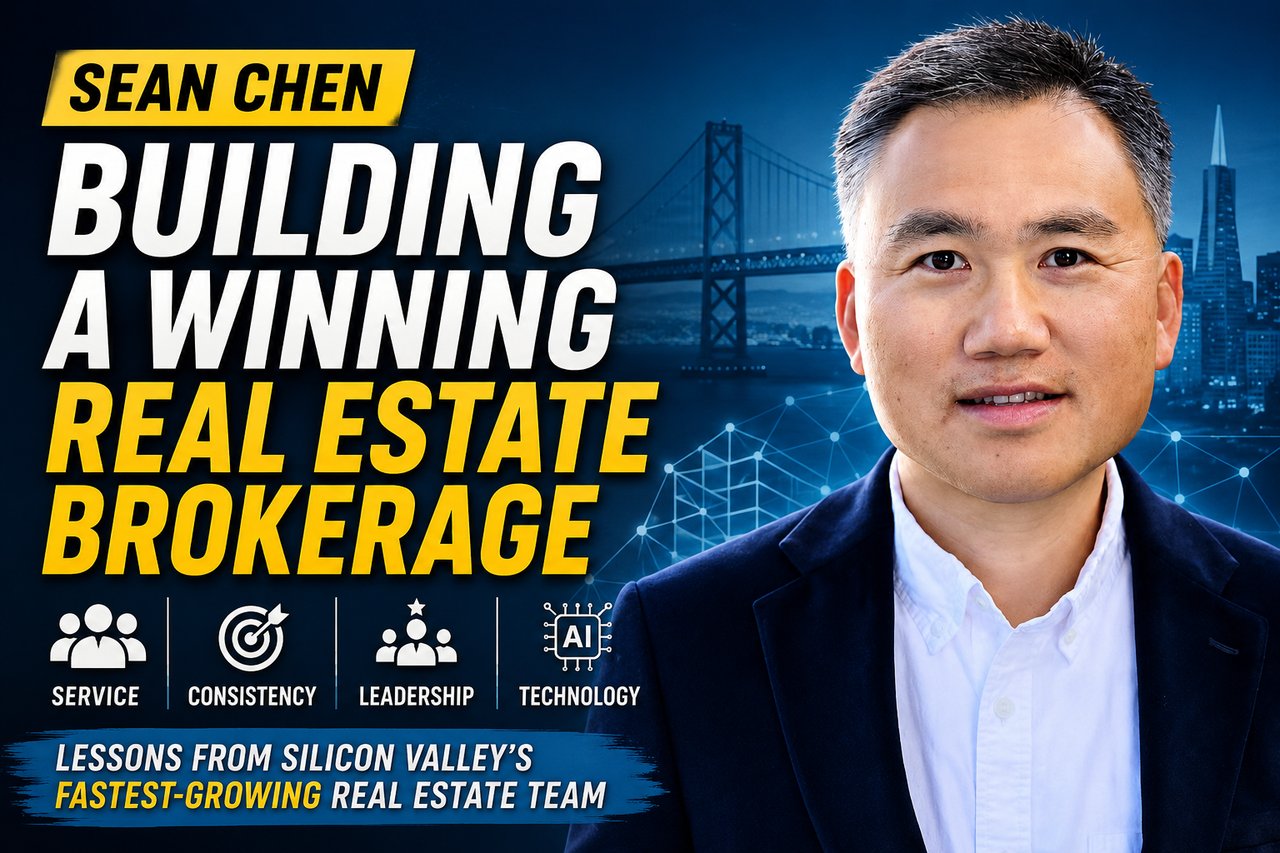
Sean Chen on Building a Successful Bay Area Real Estate Brokerage

Agent Growth
“When information becomes abundant, interpretation becomes premium.”

Agent Growth
Why Homeowners Ignore Most Agents (And How Top Producers Break Through)

Agent Growth
Redefining Sales Through the Art of Inquiry

BayAreaReal Estate
8 Traits of Top Real Estate Agents Worth Studying
Real Estate Leadership
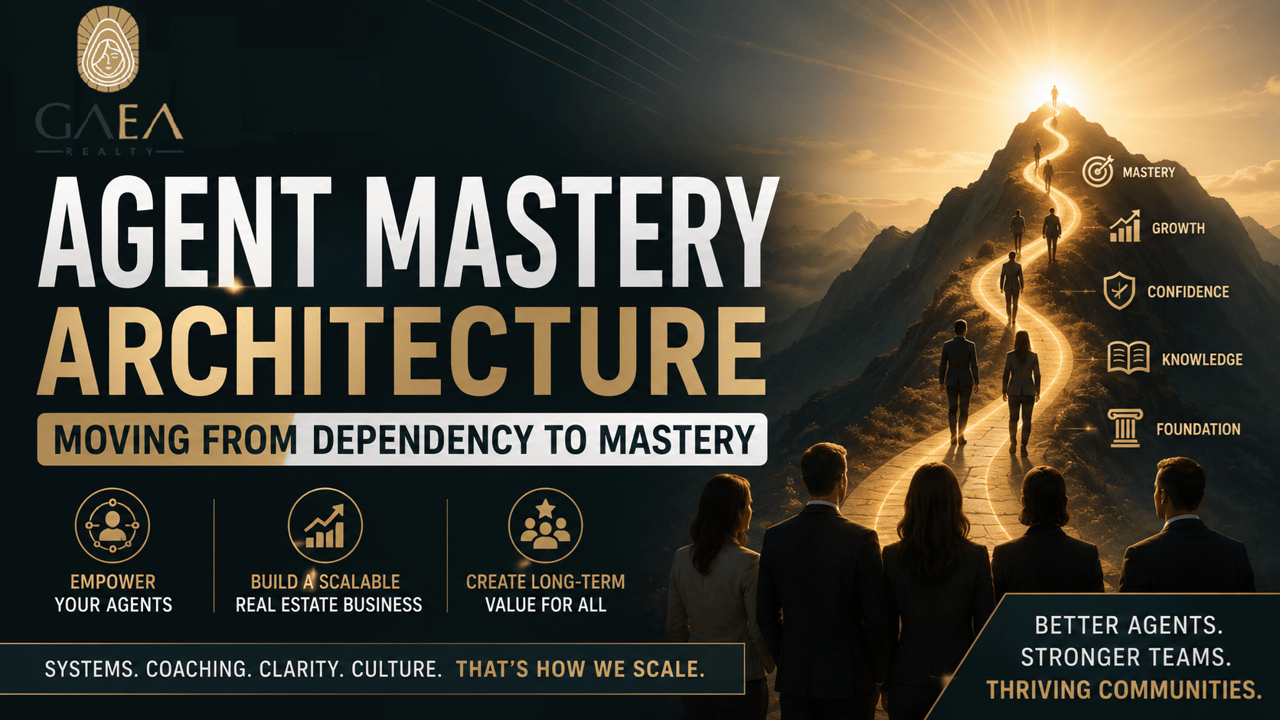
How top-producer dependency breaks teams, and how Gaea can build a teaching culture where everyone thrives
Agent Growth
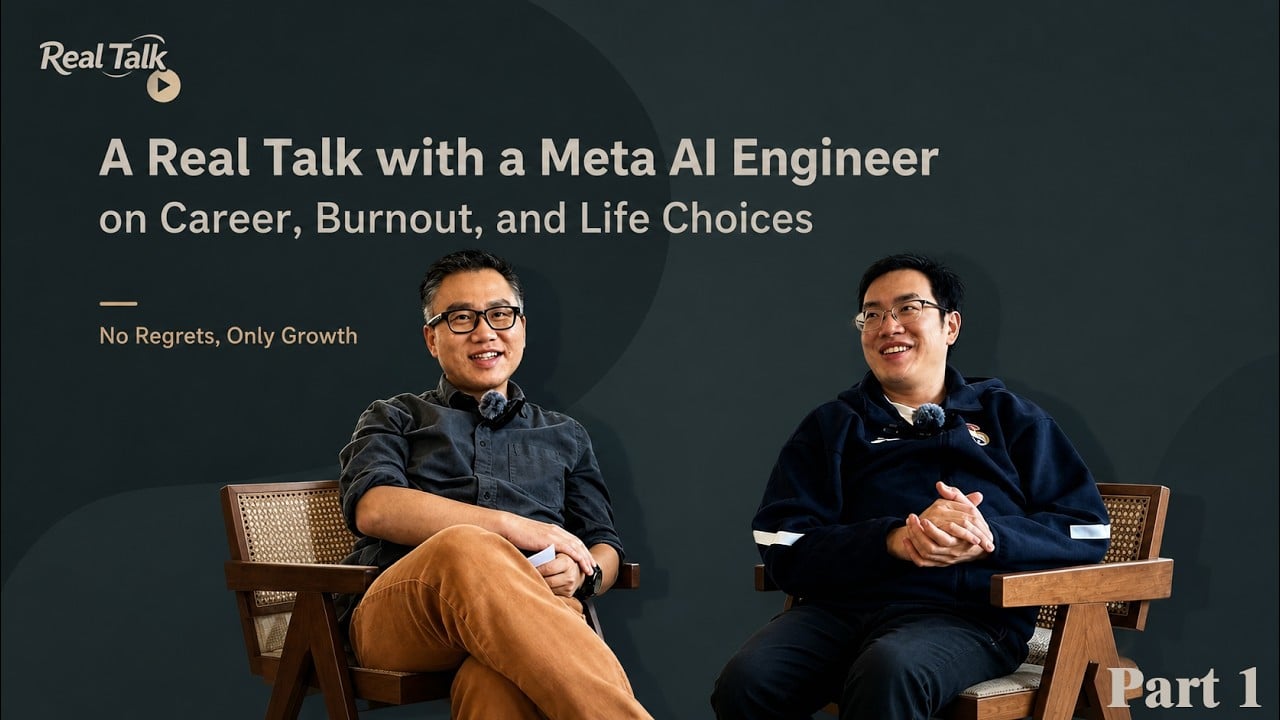
A thoughtful conversation on real estate decisions, AI careers, job security, investing, family, and what truly matters in life
Agent Growth
Chen Ran’s 3-Step Methodology

Agent Growth
If You’re a Real Estate Agent, Watch This Before You Quit